— MIMARU Proposes Family-Friendly Traditional New Year Experiences During Japan’s Unique Holiday
Season, Where Festive Energy Meets Tranquility —
Cosmos Hotel Management Co., Ltd., operator of the apartment-style hotel brand “MIMARU,” will launch a
range of special year-end and New Year programs at select locations, allowing international travelers to
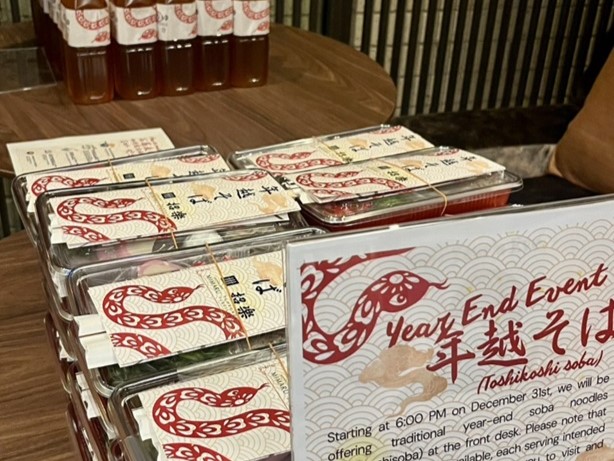
casually experience Japan’s distinctive holiday culture. This initiative presents memorable ways for international families to experience the distinctive atmosphere of Japan’s year-end and New Year period—marked by both liveliness and tranquility—through time-honored traditions such as toshikoshi soba (Traditional year-
end noodles), osechi (Traditional New Year dishes), mochi-pounding (Traditional rice cake making), and hatsumode (New Year shrine visit).

■ A Year-End Stay at MIMARU Inspired by Feedback from International Guestson Japan’s New Year
Traditions.
As many shops and tourist facilities close during Japan’s year-end and New Year period, cities transform into their most tranquil state of the year. Although some international guests are initially surprised by the sudden calm, many ultimately value the experience, describing it as a mystical moment and a rare chance to connect with Japan’s traditional New Year culture. To allow families to fully enjoy this special time of year when
Japanese culture is deeply felt, MIMARU has developed cultural programs that are easily accessible even for
families traveling with children. These initiatives present a distinctive year-end and New Year stay, designed
for families to experience Japan beyond everyday travel.
■Liveliness and Tranquility: Japan’s Year-End and New Year Season of Transformation
In Japan, the year-end and New Year period is deeply valued as a time for families to spend together.
Long-standing customs—such as visiting shrines and temples to pray for good health and a safe year ahead,
and gathering around traditional foods like toshikoshi soba (Traditional year-end noodles) and osechi
(Traditional New Year dishes) —are firmly rooted in everyday life. Another distinctive feature of this season is how dramatically the atmosphere of cities can change within just a few days.
Up until December 31, cities are filled with lively crowds of shoppers preparing for the New Year. In contrast, New Year’s Day is wrapped in a sense of calm, marking one of the most peaceful and tranquil moments of the entire year. From January 2, the traditional hatsubai (New Year’s first sales) begin, and cities once again fill
with the excitement of shopping. This rapid transition—from liveliness to tranquility and back to energetic
buzz within such a short period—is one of the unique charms of Japan’s year-end and New Year season.
 ■Experiencing the Year-End and New Year Season in the City
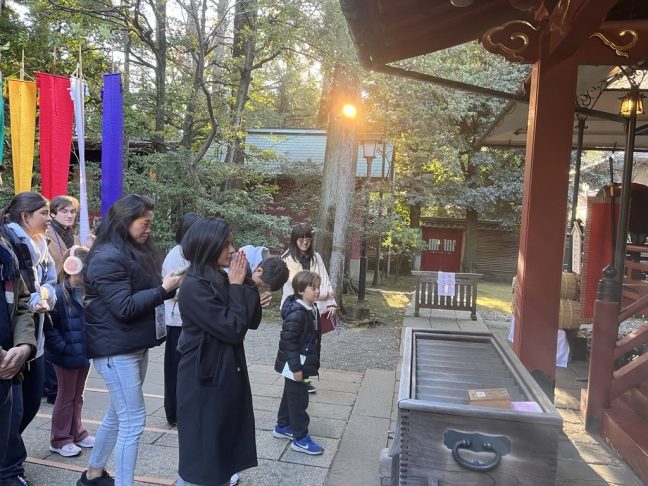
One area that clearly symbolizes this dramatic shift in the city’s atmosphere is Tokyo’s Shibuya district. Meiji Jingu Shrine, located in Shibuya Ward, is normally closed from sunset to sunrise; however, on New Year’s Eve it remains open throughout the night, allowing many people to welcome the New Year at the shrine and share the moment of transition together.
By visiting for hatsumode (New Year shrine visit) early on New Year’s Day, guests can offer prayers in the
crisp, refreshing morning air. As they walk through the forest of Meiji Jingu toward the Shibuya area, they will encounter a remarkably quiet city scape—so different from the excitement of the previous night—that the
contrast itself becomes a memorable surprise.
Across Japan, many shrines and temples remain open throughout the day, making it easy for visitors to enjoy hatsumode (New Year shrine visit) casually during a stroll—another appealing aspect of the New Year season.
■ Enjoying Year-End and New Year Cultural Experiences at MIMARU
At MIMARU, each property offers its own thoughtfully designed programs, providing guests with
family-friendly year-end and New Year experiences. For example, MIMARU SUITES Tokyo Nihombashi and
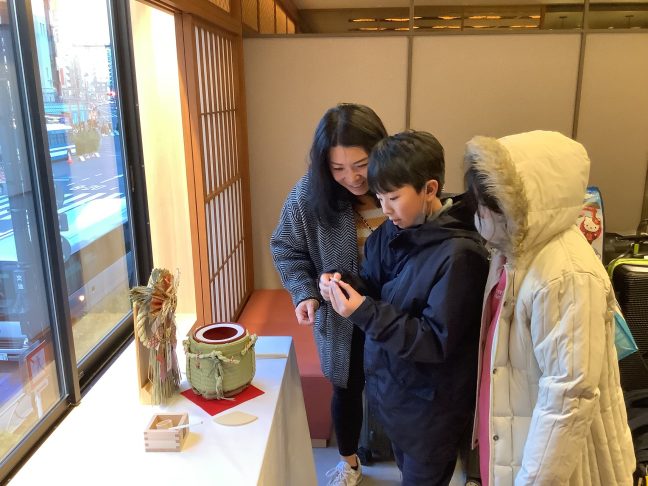
MIMARU SUITES Tokyo Asakusa will present guests with a complimentary osechi (Traditional New Year
dishes) set, allowing families to enjoy a traditional New Year meal during their stay.
Responding to guest feedback that “learning the meaning behind osechi (Traditional New Year dishes) makes the experience even more enjoyable,” these dishes will be presented together with explanations of the
symbolism and history behind each ingredient. In addition, during the hatsumode (New Year shrine visit)
experience tours held in January 2025, MIMARU’s multinational staff first consulted with shrine
representatives to learn about the history and significance of the tradition. They then accompanied
international guests, carefully explaining the customs while praying together for good fortune in the New
Year. The experience received highly positive and moving feedback. This year, MIMARU plans to expand the
program to additional locations.
- Featured Experiences
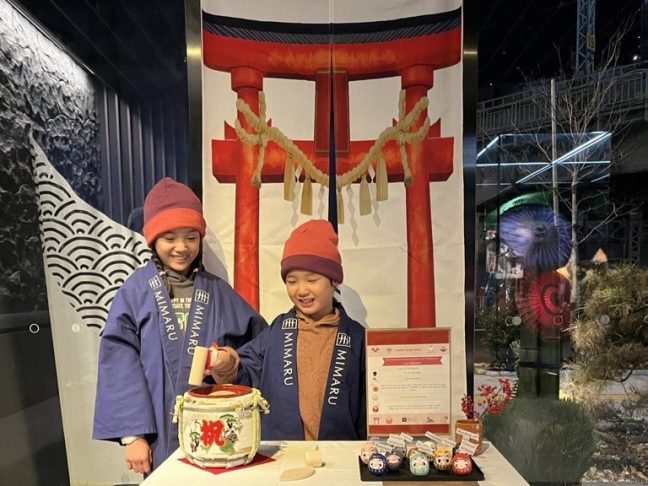
Experience Participating Properties Mochi-Pounding Experience MIMARU Tokyo Asakusa Station Toshikoshi Soba (Year-End Noodles) Gift MIMARU SUITES Kyoto Central / MIMARU Kyoto Nishinotoin Takatsuji Osechi (Traditional New Year Dishes) Gift MIMARU SUITES Tokyo Nihombashi / MIMARU SUITES Tokyo Asakusa Hatsumode (New Year Shrine Visit) Tour MIMARU Tokyo Akasaka / Ginza East / Tokyo Station East / Hatchobori /
MIMARU Kyoto Kawaramachi Gojo*Experience details are subject to change. For more detailed information, please feel free to contact each
properties directly.